
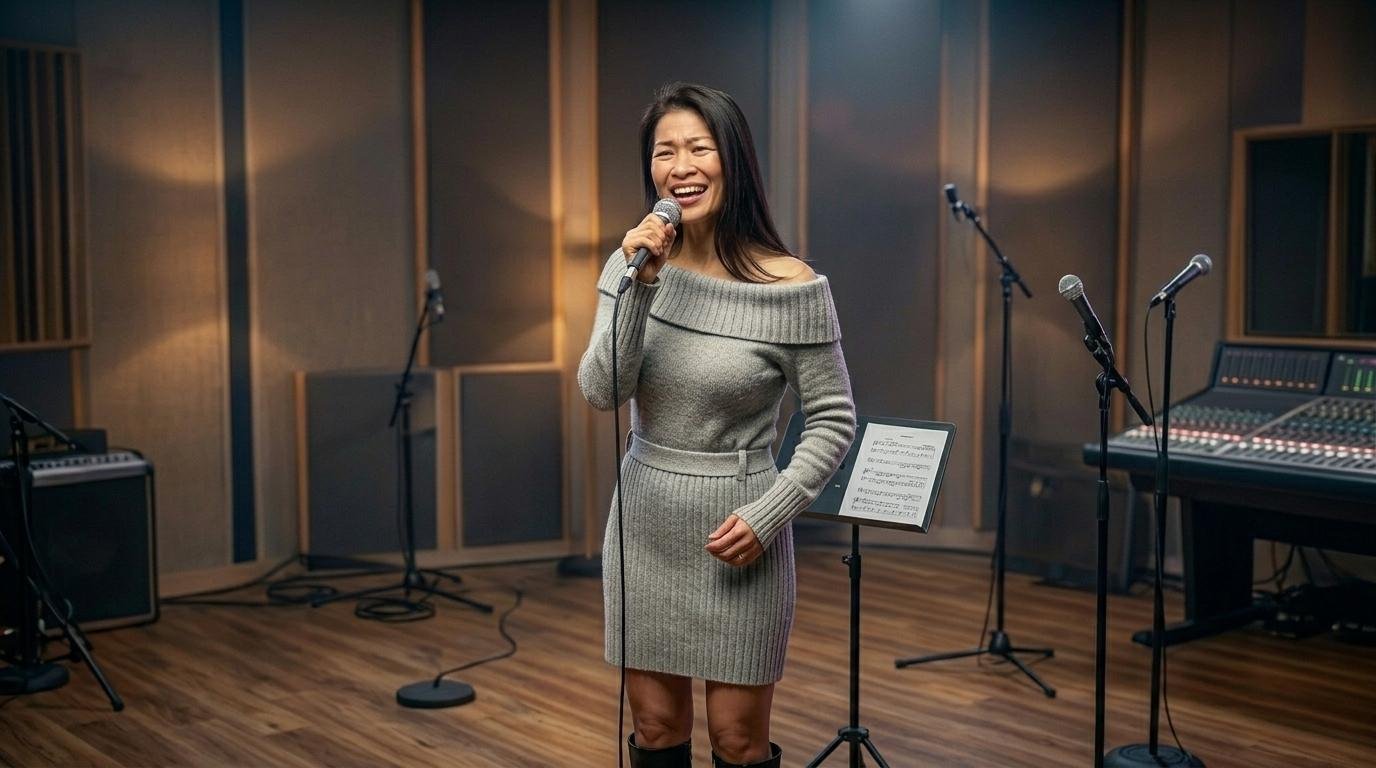
Have you ever heard a singer and felt like their voice is doing something just a bit off from the beat, but it also seems fully intentional? Like yep, that’s the point. This kind of vocal thing is what people call polyrhythm vocals. The voice basically runs in its own rhythmic cycle, while the band is keeping a different pulse going underneath.
It shows up in African music, jazz, progressive rock, and even mainstream pop. Once you know what to listen for, you start hearing it everywhere.
Understanding Polyrhythms in Music
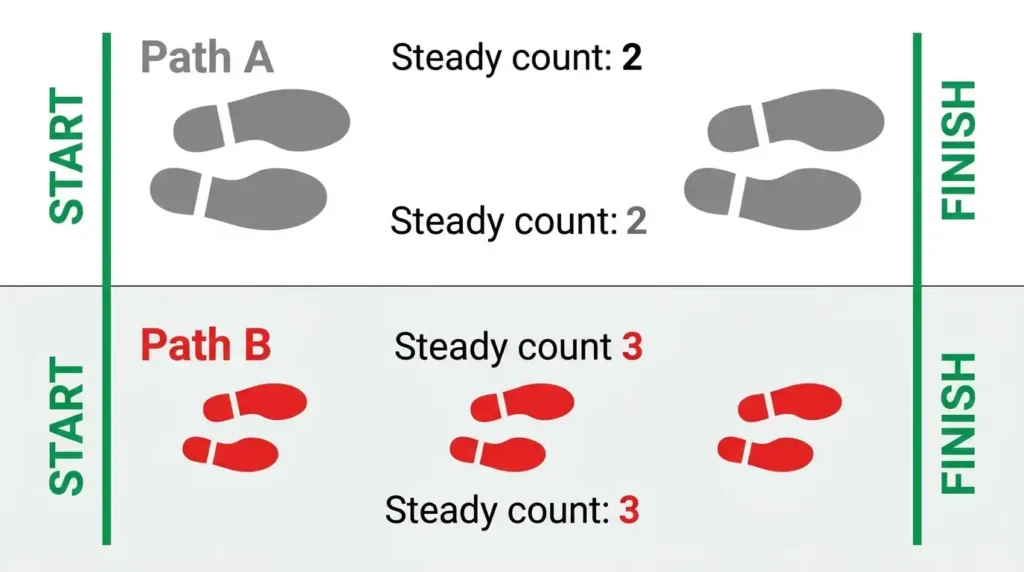
A polyrhythm kind of happens when two rhythm patterns go at it together. They each keep their own count, but they also share the same total span, so after some time, they finally land back together again. It’s like they take separate roads but the same distance, and somehow they agree at the end.
A classic one is 3 against 2. In that case, one side hits three notes, while the other side keeps to two, all over the same general length. They begin together, then things drift apart, and later they meet again right where you’d expect them to line up. That kind of back and forth is what gives the whole thing that extra energy. West African drumming, jazz, and Brazilian samba use this constantly as well.
Difference Between Rhythm and Polyrhythm
Regular rhythm means everyone follows the same pulse. The drummer plays four beats, the bassist locks in, the singer lands on the beat. Clean and predictable.
Polyrhythm adds a second pulse that runs against the first. The two layers do not line up beat for beat. They create friction, and when they finally resolve, you feel it before you can explain it. That physical feeling is exactly why musicians keep coming back to it.
How Polyrhythm Vocals Work
When a vocalist uses polyrhythm, the voice turns into a separate rhythmic layer, kind of on its own. Rather than “touching” the beat cleanly, the vocal line seems to sketch out a phrase scheme that slices across the meter that’s running underneath.
So it’s kind of simple, the band keeps this 4/4 going, but the singer words it out in threes. Each time that vocal bit repeats, it lands a bit earlier, like one beat ahead of the main downbeat. Then, after those six beats, both parts kind of sync together again, and the whole thing snaps back into place. That small drifting then returning feeling is what makes cross-rhythm vocals sound so alive and moving.
Syncopated vocals accent the offbeats inside a single meter. Vocal polyrhythms go further and build a separate rhythmic structure for the voice entirely. Both techniques often appear together, which is why layered vocal rhythms in jazz and African music can feel so layered and rich.
Genres That Use Polyrhythm Vocals
- African music is the origin point. African polyrhythm vocals stack independent voice parts, each following its own cycle. The parts interlock rather than singing in unison. This fed directly into jazz, gospel, and R&B.
- Jazz singers like Ella Fitzgerald used complex vocal timing to stretch and compress phrases, landing in spots that create tension with the rhythm section beneath them.
- Progressive music vocals made it a signature sound. King Crimson, Tool, and Meshuggah built records around odd time vocal patterns. Talking Heads layered polyrhythmic vocal chants over funk grooves on Remain in Light, inspired directly by African music.
- Art pop: Bjork regularly uses rhythmic displacement as pure expression. Her phrasing puts emphasis where you least expect it, using the voice as percussion as much as melody.
- R&B and soul use layered vocal rhythms in background stacks all the time. Most listeners feel it as a groove without naming it as a technique.
Polyrhythm Examples in Songs
Talking Heads’ The Great Curve layers vocal chants that each repeat at different intervals over a funk groove. Tool’s Schism places vocals over shifting 5/8 and 7/8 time. Meshuggah places melodic vocals over drums running in entirely separate rhythmic cycles.
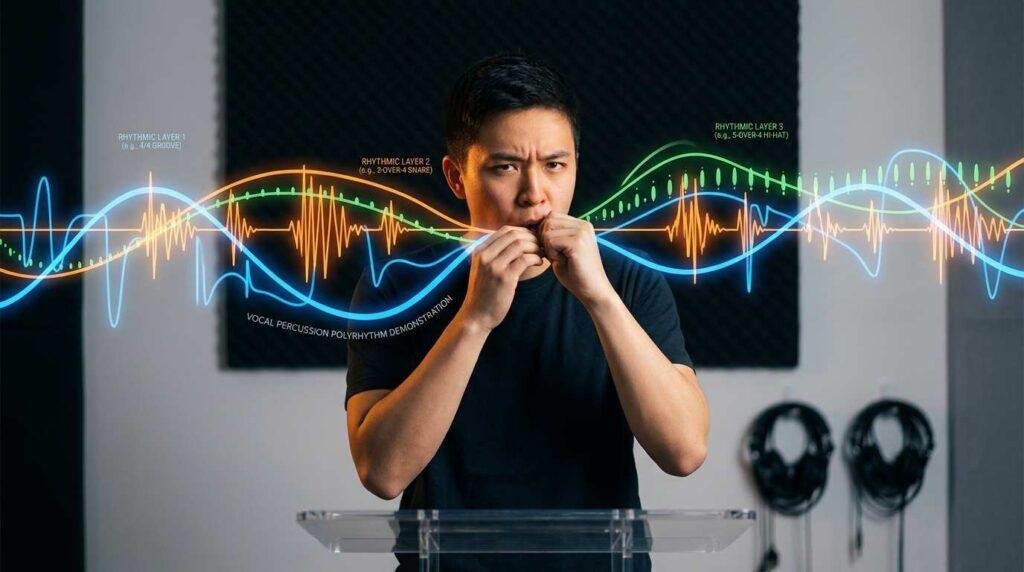
There’s also vocal percussion polyrhythms that you hear in beatboxing or in an a cappella performance, where the voice by itself builds several rhythmic layers from zero. Those common vocal polyrhythm patterns are often used as a kind of demonstration to show the idea in its pure form.
Tips for Singing Polyrhythms: How to Build the Skill
Polyrhythm singing is hard at first. Your ear wants to follow the band. The trick is making your own pattern automatic enough that outside rhythms stop pulling you off it.
- Clap each pattern separately before trying to combine them
- Hold one rhythm in your hands while counting the other out loud
- Sing your line while tapping the main pulse with your foot
- Record yourself against a basic drum loop and listen back honestly
Good breath support holds everything together. Singers who rush or collapse their breath lose the pattern before it settles. Reading about the role of breathing in singing is a practical starting point if this is something you want to work on seriously.
Work slowly. Half speed with a metronome, then build up. Speed before accuracy just locks in bad habits.
Start With a Strong Foundation First
Before working on how polyrhythms work in vocals, your basic rhythmic control needs to be solid. Singers who struggle to stay on beat in 4/4 will find polyrhythm very frustrating.
Spending time with easy vocal songs for beginners builds the rhythmic vocabulary you need before adding complexity. Pitch and rhythm develop together. One weak area drags the other down.
Getting Help From a Vocal Coach
An outside ear catches things you cannot hear yourself. Subtle drifting, unintentional rushing, pattern collapse under pressure. These are exactly the things that a teacher spots in real time.
If you want to work on these vocal rhythm techniques with proper guidance, finding an affordable vocal coach in California means you get feedback built around your specific voice and timing habits, not generic exercises.
So, Are Polyrhythm Vocals Worth Learning?
Yeah, if you want your voice to do more than just carry a melody. Polyrhythm vocals kind of turn the voice into a rhythmic participant in the whole music thing, not only a line that stays in place. It’s that sort of difference, the “why these singers stand out” thing, like Bjork and others, and also why bands such as Talking Heads, or King Crimson, feel a little nothing like the rest. The technique takes work, sure, but the payoff is that totally different relationship between your voice and the music moving around you. Don’t go too big at first. Start small, record everything, then build from there.
FAQs
What is a simple example of 3 against 2 polyrhythm?
A 3 against 2 polyrhythm happens when one musical layer plays three evenly spaced beats while another plays two in the same time span. A common example is clapping three times while another person claps twice over the same duration.
Can polyrhythm vocals be used in modern pop music?
Yes. Modern pop often uses subtle vocal polyrhythms in ad-libs, layered backing vocals, and phrasing that shifts slightly against the main beat to create groove and texture without sounding complex.
Do singers need music theory to learn polyrhythms?
No. Most singers learn polyrhythms through listening, repetition, and physical timing exercises rather than formal theory. Feeling the pulse and practicing slowly is usually enough to develop the skill.
How long does it take to learn vocal polyrhythms?
It varies, but basic control can develop in a few weeks with consistent practice. More advanced independence between voice and rhythm can take months of regular training.
Are polyrhythm vocals the same as syncopation?
No. Syncopation shifts emphasis within one rhythm, while polyrhythm vocals involve two or more independent rhythmic patterns happening at the same time.
